Chevrolet Equinox & Traverse Ignition Repair in Southlake TX
Chevrolet Equinox and Traverse ignition repair in Southlake TX — worn cylinders, keys that will not turn, push-start faults. Call or text (972) 573-7978.
Chevrolet Equinox & Traverse Ignition Repair in Southlake TX
An ignition that has to be persuaded is not a quirk you live with — it is a countdown. The Equinox and Traverse are high-mileage family crossovers that spend years accumulating small amounts of wear in the ignition every time a key goes in, and the failure, when it comes, is almost always at the least convenient moment. Southlake TX Locksmiths repairs and rebuilds these on site. Call or text (972) 573-7978.
Quick Answer
Ignition problems on these vehicles split cleanly into two families depending on what your truck has.
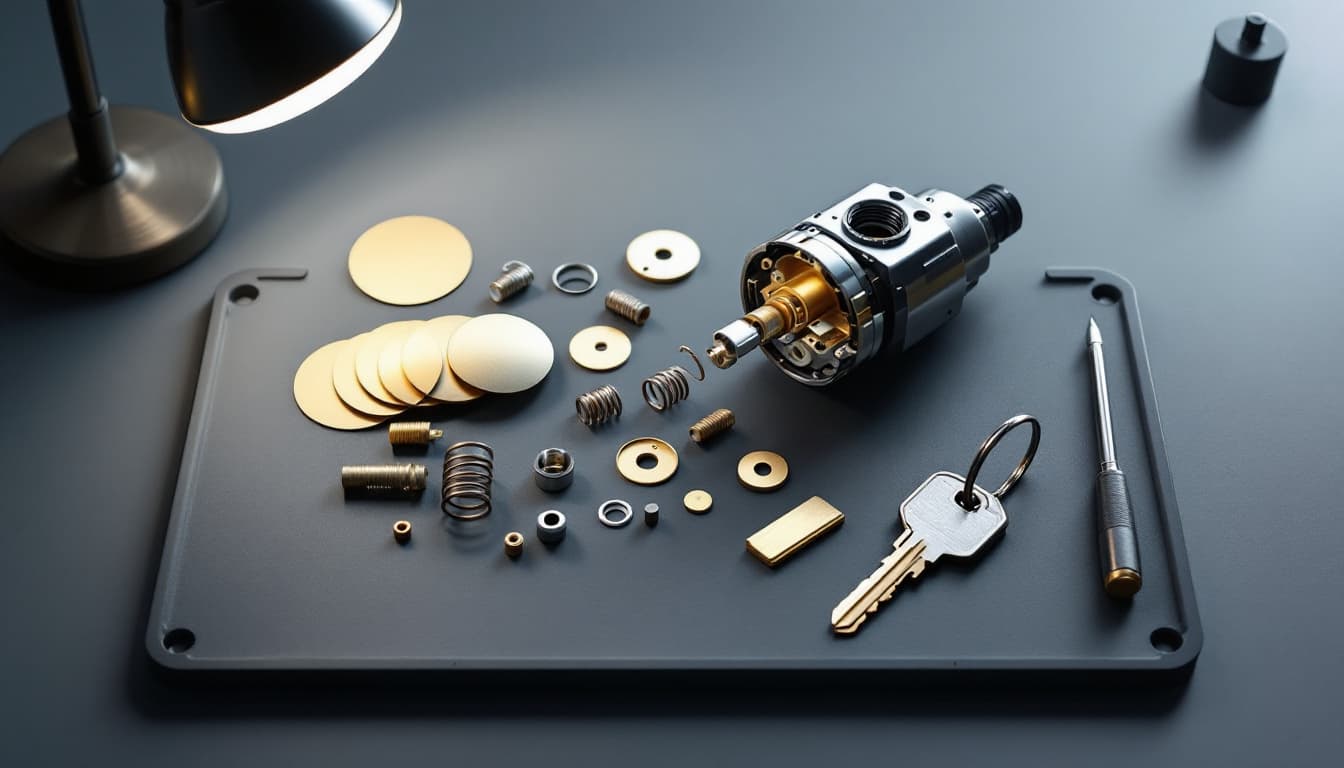
Bladed-ignition Equinox and Traverse models have a mechanical lock cylinder containing spring-loaded wafers. Over years the wafers and the key both wear, tolerances open up, and the cylinder starts binding — first needing a wiggle, then needing real force, then not turning at all. This is a mechanical repair: the cylinder is rebuilt or replaced and re-keyed to your existing key so your keys keep working.
Push-button-start models have no cylinder to wear. Their "ignition problems" are electrical — a fob not being detected, a weak 12-volt battery, or a body module fault. Different diagnosis, different fix. Our push-button start module diagnosis guide covers those.
Chevrolet Ignition Repair Pricing
| Service | Price Range |
|---|---|
| Ignition diagnosis | $60–$140 |
| Ignition cylinder rebuild, re-keyed to your key | $180–$380 |
| Ignition cylinder replacement | $250–$480 |
| Broken key extraction | $80–$180 |
| New key cut and programmed with repair | $120–$280 |
| Push-start no-start diagnosis | $75–$160 |
Estimates only. Final pricing depends on model year, whether the column has to be partly disassembled, and parts availability. We confirm the total before starting.
The warning signs, in the order they appear
Ignition cylinders fail on a predictable schedule, and every stage is a chance to fix it cheaply.
Stage one: the key needs a wiggle. Small motions, a bit of jiggling, and it turns. Easy to normalize. This is the cheapest moment to fix the problem, and almost nobody does.
Stage two: it only works in one position. You learn to pull the wheel slightly, or push the key in a particular way. You have adapted to a failing part.
Stage three: force is required. Turning takes real effort. This is the stage where keys break off inside the cylinder — and a broken blade turns a $200 repair into a bigger one. Our broken key extraction guide covers what happens next if it does.
Stage four: nothing. The key goes in and will not turn at all, or will not go in cleanly. Now the vehicle is immobile.
If you are at stage one or two, you have an appointment to make, not an emergency. If you are at stage three, make it this week.
Is it the cylinder, the key, or the steering lock?
Three causes produce a key that will not turn, and the test for each is simple.
Try your other key. If the spare turns smoothly and the daily key does not, the key is worn, not the cylinder. Keys wear from being copied from copies and from years of pocket abuse. A fresh key cut to the factory code — not duplicated from a worn one — often fixes a "bad ignition" outright, and it is by far the cheapest outcome.
Rock the steering wheel while turning the key gently. Every one of these vehicles has a steering column lock that engages when the wheel is turned after shutoff. If the front wheels are against a curb, the lock binds under load and the key will not turn. Rocking the wheel left and right releases it. This is not a fault — it is normal behaviour that strands people who do not know about it.
Confirm the shifter is fully in Park. A shifter resting between detents prevents the key from returning and being removed on many vehicles, which people misread as a lock fault.
If none of those explain it, the cylinder itself is worn. Our key will not turn in the ignition guide walks through the full sequence.
Rebuild versus replace
A rebuild replaces the worn wafers and springs inside your existing cylinder and re-keys it to your current key. Advantage: your existing keys keep working, and there is nothing to reprogram. This is the preferred route when the housing and the electrical switch are sound.
A replacement fits a new cylinder. Sometimes that means new keys, which means the transponder side has to be programmed too — and on GM vehicles that programming is a real step, not an afterthought. Our Chevy and GMC key relearn guide covers the procedure.
We diagnose before recommending, because a rebuild is usually cheaper and less disruptive, and a shop that quotes replacement sight-unseen has not looked at your vehicle.
The electrical switch behind the cylinder
Worth separating: the lock cylinder is the mechanical part your key turns. Behind it sits the ignition switch, an electrical component that actually sends power to the accessories, the run circuit and the starter.
They fail differently. A bad cylinder means the key will not turn. A bad electrical switch means the key turns fine but nothing happens — no dash lights, no crank, or accessories that cut out when you turn to start. If your key rotates normally and the car is dead, the cylinder is not your problem.
Push-start Equinox and Traverse
On push-button models, there is no cylinder to wear, so the failure modes move to electronics.
The 12-volt battery is the leading cause and the most under-diagnosed. These systems throw key-detection faults while the battery still has enough charge to crank the engine, which sends people chasing fobs and modules.
Fob battery is next, and produces the classic reduced-range pattern.
Body control module faults are less common but real, and they typically take out several unrelated conveniences at the same time — that pattern is the tell.
Before any part is ordered on a push-start vehicle, system voltage gets checked. It is the cheapest possible answer and it comes up constantly.
Southlake driving and why ignitions wear here
Nothing exotic — just volume. These are school-run and commute vehicles doing several ignition cycles a day, seven days a week. A crossover with 120,000 miles has been through tens of thousands of key insertions, and every one of them removed a little metal.
Add a heavy keyring and the wear accelerates: a key hanging with a dozen keys, a bottle opener and a carabiner applies constant leverage to the cylinder every time you drive over a bump. If you want one free maintenance tip from this entire article, it is to take your car key off the heavy ring. Our Chevrolet Corvette and Camaro key replacement guide and Cadillac Escalade spare key guide cover the rest of the GM range.
Frequently Asked Questions
Why will my Chevy Equinox key not turn in the ignition?
The three common causes are a steering column lock bound under load, a worn key, or a worn ignition cylinder. Rock the steering wheel while turning the key gently, and try your spare key — those two tests separate the causes in under a minute.
Can an ignition cylinder be repaired instead of replaced?
Usually yes. Rebuilding replaces the worn wafers and springs inside your existing cylinder and re-keys it to your current key, so your existing keys keep working and nothing needs reprogramming. It is typically cheaper than replacement.
How much does Chevrolet ignition repair cost in Southlake?
A rebuild typically runs $180 to $380 and a replacement $250 to $480, plus diagnosis. If a new key has to be cut and programmed with the repair, add $120 to $280. We confirm the total before starting.
My key turns but the car does nothing. Is that the ignition?
Probably the electrical ignition switch behind the cylinder rather than the cylinder itself. The cylinder is the mechanical part your key turns; the switch sends power to the accessories and starter. They fail differently and are diagnosed separately.
Can you fix my ignition without towing the car?
In most cases yes — ignition cylinder work on these vehicles is mobile work, done in your driveway or parking spot with the column partly disassembled as needed. We tell you on the phone if your specific vehicle is an exception.
Why does a heavy keyring damage the ignition?
Because the weight hangs off the cylinder every time you drive, and every bump applies leverage to a precision mechanism designed for the weight of a key. Removing your car key from a heavy ring is the single cheapest way to extend an ignition's life.
Key getting harder to turn? Call or text Southlake TX Locksmiths at (972) 573-7978 before it strands you. We diagnose and repair ignitions on site and quote before we start. Mobile service across Southlake 76092, Colleyville, Keller, Grapevine, Westlake and Trophy Club.
Written by the Southlaketxlocksmiths Automotive Locksmith Team — mobile automotive key cutting, programming and ignition service across Southlake and northeast Tarrant County.