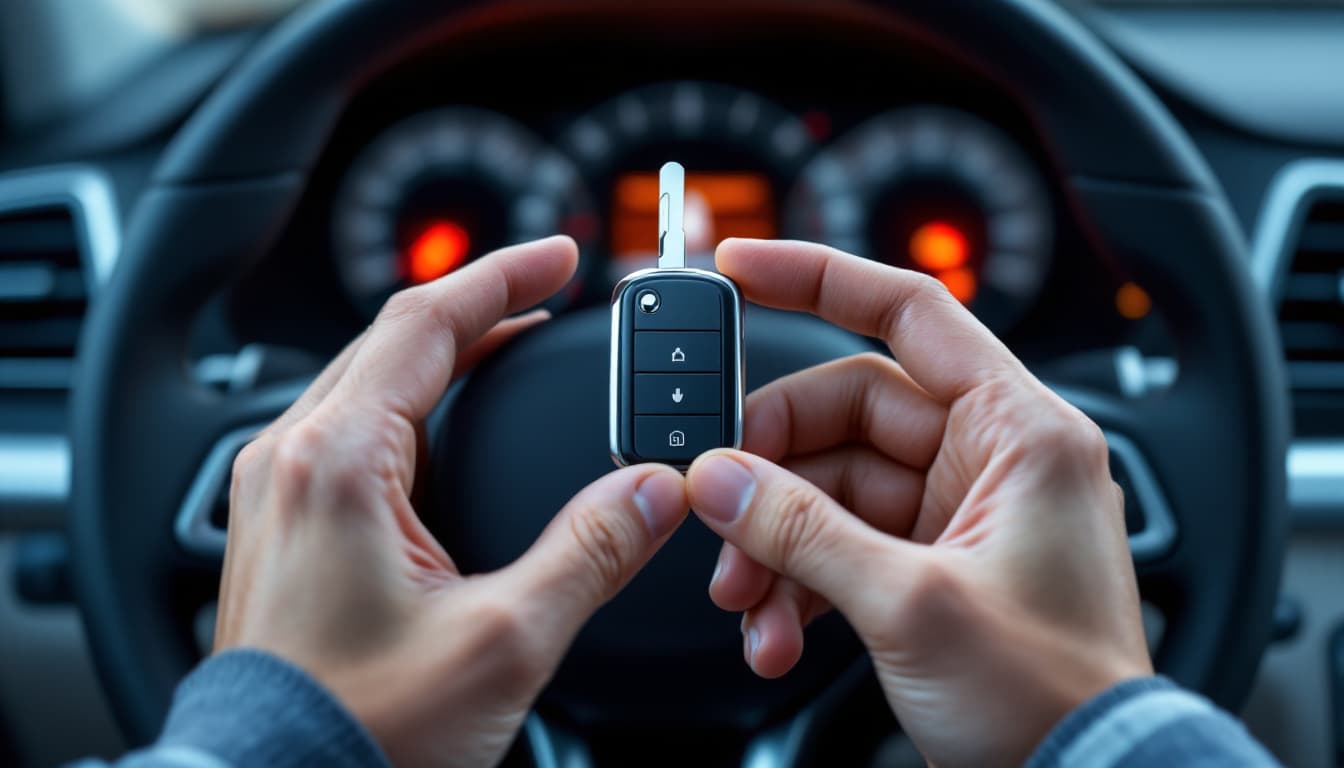
Hyundai Key Replacement Southlake: Anti-Theft & Immobilizer Keys
Hyundai key replacement in Southlake TX — transponder, smart key, anti-theft and immobilizer programming, mobile on site. Call or text (972) 573-7978.
Hyundai Key Replacement Southlake: Anti-Theft & Immobilizer Keys
Hyundai's lineup — Elantra, Sonata, Tucson, Santa Fe, Palisade and Kona — pairs modern styling with a security system that treats every key as a credential. That means a replacement Hyundai key is not something a hardware store can copy; the transponder has to be programmed to your vehicle's immobilizer before it will start. Southlake TX Locksmiths does that on site, mobile, wherever you are. Call or text (972) 573-7978 for Hyundai key replacement across Southlake, Colleyville, Keller, Grapevine and the DFW northeast.
Quick Answer
Hyundai vehicles use an immobilizer that verifies a transponder — inside a traditional key or a smart fob — before allowing the engine to run. Replacing a Hyundai key means cutting the correct blade (for insert keys) or preparing the emergency blade (for smart keys) and programming the transponder to your immobilizer.
Base and older models often use insert transponder keys, which are the most affordable to replace. Higher trims and newer models use push-to-start proximity smart keys. On many recent Hyundai models, enrolling a new key requires a manufacturer security code or PIN, retrieved through authorized processes — a step that affects both time and price.
A mobile automotive locksmith cuts and programs Hyundai transponder and smart keys at your location, usually faster and less expensive than a dealership, with no tow needed for a no-start car.
Hyundai Key Replacement Pricing
| Key Type / Service | Price Range |
|---|---|
| Insert transponder key (spare, one key on hand) | $120–$250 |
| Smart / push-to-start key (spare) | $220–$460 |
| Insert transponder — all keys lost | $190–$400 |
| Smart key — all keys lost | $320–$650 |
| Emergency blade cut only | $60–$130 |
| Extra key programmed same visit | $80–$210 |
Estimates only. Your final price depends on the exact year, make and model, whether you have a working key, the key type, and your location in the DFW northeast. We confirm the total before starting.
Hyundai insert transponder keys
Many Hyundai models — base trims and earlier years in particular — use a traditional key with a transponder chip in the head. You insert it and turn the ignition. Replacing one means cutting a blade to fit your locks and programming the chip into the immobilizer.
With a working key already on hand, adding a spare is usually a short on-vehicle session. With no working key, we derive the mechanical cut and enroll a new key using the vehicle's security data. Insert transponder keys are the most economical Hyundai key work and a great candidate for a low-cost spare.
Hyundai smart keys and push-to-start
Higher trims and newer Hyundai models use proximity smart keys for keyless entry and push-button start. The fob stays in your pocket while the car detects it, and each smart key contains an emergency blade for the door plus the encrypted transponder for starting.
Smart-key programming is more involved than an insert key, and all-keys-lost smart-key jobs are the most complex Hyundai work because both the proximity system and the immobilizer must accept the new fob. For a wider view of these systems, see push-to-start smart key replacement. If your smart key simply went dead, it may be a fob battery rather than a programming issue — our guide on a key fob that stopped working helps you rule that out first.
Anti-theft, immobilizer and security codes
The immobilizer is Hyundai's core anti-theft feature: without an authorized transponder, the engine stays disabled even if the door is open and the blade turns. On many newer Hyundai models, programming a fresh key requires a manufacturer security code or PIN tied to the vehicle — a deliberate barrier against quick theft-programming.
Authorized locksmith processes retrieve that code so a new key can be enrolled, but it adds a step that can influence the time and cost of the job. Because this involves secure vehicle data, it is precisely the work tracked through the industry's NASTF Vehicle Security Professional (VSP) registry, and it is why we always verify proof of ownership on Hyundai key jobs. If your Hyundai concern turns out to be an immobilizer or body module rather than the key, our overview of car computer and module programming explains how those are handled.
Common Hyundai models we key
Our mobile programming covers the Hyundai vehicles Southlake drivers actually own, including:
- Elantra and Sonata — insert transponder on older units, smart keys on recent trims.
- Tucson and Santa Fe — transponder and smart keys by year.
- Palisade — proximity smart keys.
- Kona and Venue — insert and smart keys.
- Accent (earlier years) — transponder keys.
- Ioniq and Ioniq 5 — proximity smart keys.
Tell us the model and year when you call so we bring the correct blank and programmer the first time.
Why a mobile locksmith beats the dealership
A Hyundai dealer can make a key, but that usually means towing a no-start car, waiting for an appointment, and paying dealer rates. A mobile automotive locksmith comes to your home or workplace in Southlake, cuts and programs on site, and gets you moving the same visit. You avoid the tow and the wait entirely.
And because all-keys-lost smart-key Hyundai work is the most involved and costly, keeping a spare while you still have a working key is the smart play. Our guide on the value of a spare car key explains the math, and if you have already lost everything, lost car keys with no spare walks through your options.
Why a hardware-store copy will not start your Hyundai
A frequent surprise for Hyundai owners: a key that looks like plain metal is actually a secure electronic device. The blade is only part of it — the transponder chip inside is what the immobilizer verifies. A hardware counter can copy the blade shape, and that copy will slide into the ignition, but without a programmed chip the engine stays disabled.
This is exactly why a proper Hyundai key requires two steps: cutting the blade to match your locks and programming the transponder into your vehicle's immobilizer. We handle both, so the key we make behaves like the factory original — starting the car, not just turning in the cylinder. It is also why a genuine Hyundai key costs more than a hardware duplicate: you are paying for the security programming, not just the metal.
Preparing for your Hyundai key visit
A few things speed the job along:
- Have your ID and proof of ownership ready, especially for all-keys-lost work.
- Know the year, model and VIN if possible.
- Mention any aftermarket alarm or remote-start system.
- Confirm whether you have a working key, since it changes the process and price.
- Make sure the vehicle is accessible with space to work beside it.
Frequently Asked Questions
Does every Hyundai key have a transponder?
On modern Hyundais, yes. Whether it is an insert transponder key or a push-to-start smart fob, a transponder must be recognized by the immobilizer before the engine will start. A key without the correct chip will not start the vehicle.
Why do newer Hyundais need a security code to add a key?
It is an anti-theft measure. Many recent Hyundai models tie key enrollment to a manufacturer PIN or security code. Authorized locksmith processes retrieve that code so a new key can be programmed. It adds a step but is a normal part of the work.
Can you replace a Hyundai key if all are lost?
Yes. All-keys-lost Hyundai work involves deriving the mechanical cut and enrolling a new key using the vehicle's security data, including code retrieval on newer models. We perform it mobile at your location with proof of ownership.
Are Hyundai smart keys pricier than insert keys?
Generally, yes. Smart proximity keys use encrypted blanks and more involved programming than insert transponder keys. Your exact cost depends on the model, year and whether you have a working key on hand.
Do you come to my house for Hyundai key service?
Yes. Our service is fully mobile across Southlake, Colleyville, Keller, Grapevine and the surrounding DFW northeast. We cut and program the Hyundai key in your driveway, so a no-start car never needs a tow.
How long does Hyundai key programming take?
Adding a key with a working one on hand is often 20 to 45 minutes. All-keys-lost and smart-key jobs — especially those requiring code retrieval — take longer. We give you a realistic window when we confirm the price.
From an entry-trim Accent with an insert key to a Palisade with push-to-start, Hyundai immobilizer and anti-theft work is exactly what a mobile automotive locksmith handles daily. Skip the dealership tow and get your Hyundai keyed on site. Call or text (972) 573-7978 and Southlake TX Locksmiths will take care of it anywhere across Southlake and the DFW northeast.
Written by the Southlake TX Locksmiths Automotive Locksmith Team — mobile automotive locksmith service across Southlake, Colleyville, Keller, Grapevine, Westlake and the DFW northeast.